Land is one of the biggest purchases a family makes, and one of the easiest to get wrong. Papers can carry different plot numbers, old survey maps may not match what is on the ground, and a neighbour may claim the same strip of land.
Bhu-Aadhaar is the government's attempt to fix part of this problem. It gives each plot one number, tied to where the plot actually is. Here is what it does, how to use it before you buy, and what it cannot do.
What is Bhu-Aadhaar?
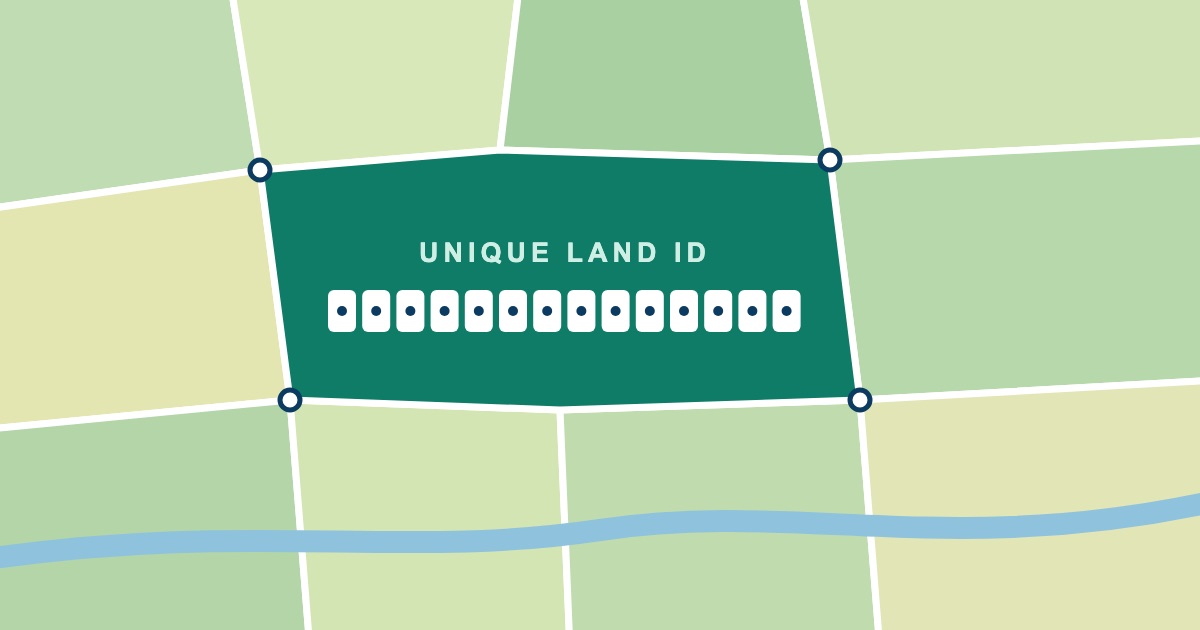
Bhu-Aadhaar is the popular name for ULPIN, the Unique Land Parcel Identification Number. It is a 14-digit alphanumeric ID for a piece of land, so it can contain letters as well as numbers.
Despite the name, it identifies the land, not the owner. It is separate from the Aadhaar number issued to a person.
How is the number created?
The number is not picked at random. Surveyors map the corners of a plot with latitude and longitude, and the ID is worked out from those coordinates using a standard formula. Because it comes from the mapped boundaries, it stays linked to one exact location.
How it can help a property buyer
- One reference for the plot: the ID can link ownership details, plot size and map location in the land records, so you are not matching several numbers by hand.
- Clearer boundaries: the plot is tied to mapped coordinates, which can help reduce boundary disputes.
- Harder to confuse plots: a seller's papers can be checked against the plot that the ID points to.
- Easier checks by lenders: banks and government offices can refer to the same record when they verify the land.
Where is it available?
As reported in June 2026, the Department of Land Resources says ULPIN has been rolled out in 29 states and Union Territories, including Andhra Pradesh, Bihar, Delhi, Gujarat, Karnataka, Kerala, Maharashtra, Rajasthan, Tamil Nadu and Uttar Pradesh. Pilot testing has been done in Puducherry, Telangana, Manipur and the Andaman and Nicobar Islands.
A rollout in your state does not mean every plot already has a number. Numbers are added in stages, so the plot you are looking at may not have one yet.
How to find the number for a plot
Land records are kept by the states, so the place to look is your state's land records portal. The steps differ by state, but usually work like this:
- Open your state's official land records website.
- Choose the district, tehsil or taluka, and village.
- Search by survey, khasra or khata number, or by the owner's name.
- Open the land record (Record of Rights, khatauni or 7/12 extract) and look for the ULPIN or Bhu-Aadhaar field.
- If the field is blank, ask the local revenue office whether a number has been given to that plot.
What Bhu-Aadhaar does not do
This is the part buyers should not miss. A ULPIN tells you which plot it is. It does not, by itself, prove who owns it. It is also not a replacement for the registered sale deed, and it does not settle a case that is already in court or clear a loan taken against the land.
Checklist before you pay for land
- Match the plot number, area and ULPIN (if available) across the land record and the seller's papers.
- Check that the seller's name is on the latest land record and mutation entry.
- Get an encumbrance certificate to see registered loans or charges on the land.
- Ask for the chain of past sale deeds and have a property lawyer review them.
- Check permitted land use, such as agricultural or residential.
- Get the boundaries measured on site and compare them with the map.
- Check for pending court cases and unpaid property tax.
Use Bhu-Aadhaar as your first check, not your only one. If the number, the map and the papers all agree, you start on firmer ground.
Rollout details are from the Department of Land Resources as reported by The Times of India via MSN (June 2026). Portal names and steps differ by state and can change. This article is for general information only and is not legal advice.